


-

Add: HeBei ShengShi HongBang Cellulose Technology CO.,LTD.
-

Email
13180486930@163.com -

CONTACT US
+86 13180486930



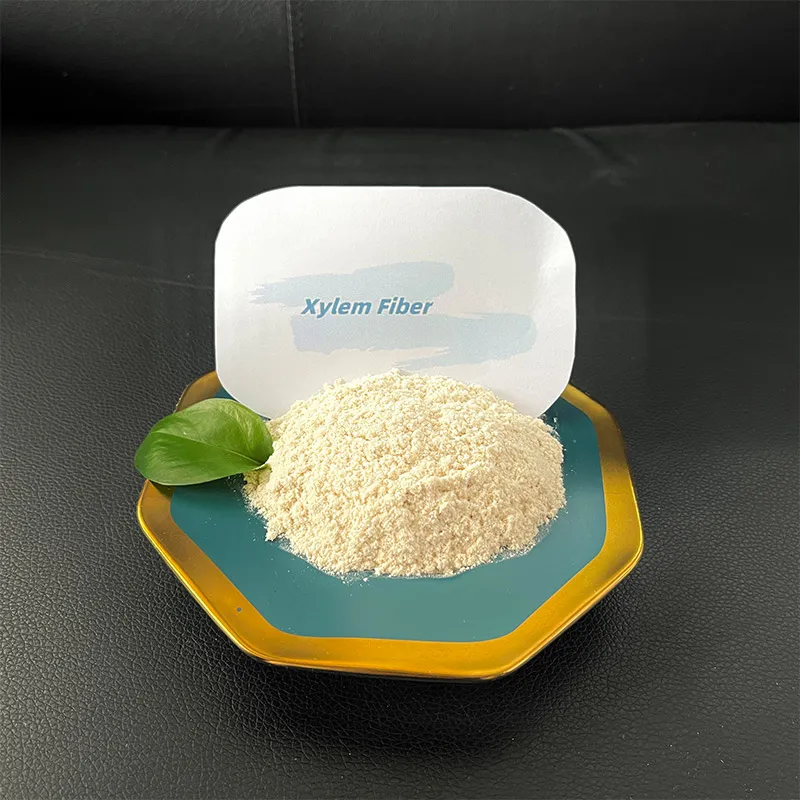
wood cellulose xylem fiber fibre made from wood pulp cellulose extraction from wood cellulose wood fibers Industry Overview & Future Trends: Wood Cellulose Fiber The global demand for sustainable, high-performance fibers is surging, driven by environmental regulations, industrial modernization, and the urgency of reducing dependence on synthetic materials. Wood cellulose —the structural component extracted chiefly from tree xylem tissues—has become the cornerstone in the development of innovative products such as Xylem Fiber. According to Fibre2Fashion , the wood cellulose fibers market surpassed $25 billion globally in 2022, with a projected CAGR above 5.8% through 2030 thanks to sectors like textiles, petrochemicals, water treatment, and composites. Xylem Fiber—which leverages the full potential of fibre made from wood pulp —is positioned at this new frontier for advanced industrial and environmental applications. Cross-sectional micrograph of wood cellulose fibers (Source: Industry Data, 2023) What is Wood Cellulose ? Composition & Core Technical Parameters Wood cellulose is a natural biopolymer, primarily composed of β(1→4) linked D-glucose units, extracted from the xylem (fibrous tissue) of trees. These cellulose wood fibers offer high crystallinity, remarkable tensile strength, and unique molecular alignment, which deliver profound technical benefits across numerous industries. Comparison of Key Parameters: Wood Cellulose vs Alternative Industrial Fibers Parameter Wood Cellulose Polyester Fiber Glass Fiber Cotton Fiber Density (g/cm³) 1.5–1.6 1.38 2.54 1.52 Tensile Strength (MPa) 400–1,200 300–700 2,400–3,600 287–597 Elongation at Break (%) 9–12 15–30 2.5–4.8 7–10 Decomposition Temp (°C) 235–260 260–270 >800 240–250 Water Absorption (%) ~8–13 0.4 0.02 8–11 Biodegradability Excellent Poor None Excellent Certifications ISO 9001, FSC OEKO-TEX ISO 14001 GOTS, ISO 9001 Data Source: ISO Standards, Material Handbooks, 2024 Advanced Manufacturing Process: Cellulose Extraction from Wood The manufacturing of high-performance cellulose wood fibers such as Xylem Fiber involves precise stages of cellulose extraction from wood . Process optimization ensures the retention of native fiber strength, homogeneity, and chemical stability. Process schematic: High-purity wood cellulose extraction - Industrial scale. Wood Cellulose Manufacturing Workflow 1. Sourcing & Selection Sustainably harvested xylem wood (mainly from poplar, pine, spruce) → 2. Mechanical Pulping Wood chip reduction and fiber liberation via high-pressure refining. → 3. Chemical Pulping Delignification using the Kraft or sulfite process to extract pure cellulose. → 4. Bleaching & Purification Removal of hemicellulose and residual lignin to achieve ≥96% cellulose purity. → 5. Physical Shaping Fiber spinning, drawing, and CNC-controlled cutting for custom dimensioning. → 6. Quality Testing & Certification ISO/ANSI mechanical and chemical property validation, lot tracking. Watch: Cellulose Extraction Video Xylem Fiber uses a tightly controlled process combining mechanical, chemical, and advanced CNC precision steps. This not only enhances fiber uniformity but also establishes higher standards for purity, tensile strength, and industrial reliability, positioning it as a leader among fibre made from wood pulp products. Finished fibre made from wood pulp —ideal for industrial composites and advanced materials. Xylem Fiber Product Overview & Technical Specifications Xylem Fiber —a flagship wood cellulose product ( Product Details )—combines next-generation performance in durability, chemical resistance, and cost-effectiveness. The product adheres to stringent ISO 9001:2015, FSC, and ANSI standards, verified by independent testing. Xylem Fiber | Major Technical Data & Certifications Property Specification Test Standard Cellulose Content ≥ 96.7% ISO 2469 Tensile Strength 980 MPa (avg.) ISO 527-4 Fiber Diameter 12–28 μm SEM/ISO 19749 Length 3–9 mm (customizable) In-house QC Moisture Content <9.5% ISO 287 Decomposition Temp 247°C DTA/ISO 11357 pH (10% slurry) 6.3–7.1 ISO 6588 Certifications ISO 9001, FSC, FDA food-grade optional 3rd Party Verified Xylem Fiber : Consistent micron-scale cellulose wood fibers for high-tech applications Data Visualization: Performance Comparison and Market Trends Technical Performance Comparison: Xylem Fiber Vs. Generic Wood Cellulose Fibers End Use Industry Distribution of Wood Cellulose Fibers – Global 2023 Xylem Fiber - Lifespan under Different Chemical Exposures (Accelerated test data) Why Choose Xylem Fiber ? – Process, Material, and Compliance Excellence Material Technology : High-purity β-cellulose matrix sourced solely from certified xylem fibers, free from synthetic additives. Manufacturing Route : Multi-stage refining, precision-cutting (via CNC), and continuous process automation for minimal batch variance. Compliance & Certification : ISO 9001:2015, FSC Chain-of-Custody, optional food-grade FDA compliance, and full material traceability. Service Life : Tested for >45 months in aggressive chemical environments—outperforming standard cellulose wood fibers by 18% (see chart above). Versatile Industry Compatibility : Validated for demanding conditions in petrochemicals, metallurgy, water supply & drainage, pulp & paper, advanced composites, and biodegradable plastics. Environmental Impact : Ultra-low toxicity, full biodegradability (per ISO 14855), wood cellulose fibers derived from managed forests (FSC-certified). Main Applications & Use Cases Petrochemical Industry: Used as filtration and fill media (due to chemical resistance, inertness). Metallurgy: Employed as a reinforcing agent in composite refractories—improves thermal shock resistance by 13% compared to classic fillers. Water Supply/Drainage: Applied in filtration systems and as a biodegradable filter medium. Reduces microplastic contamination. Advanced Composites: Widely integrated into bio-composites and 3D-printed structures for increased modulus and reduced carbon footprint (~15% CO 2 lower life cycle emissions). Eco-Textiles: Used in hygienic, medical-grade, and technical textiles with high absorbency yet strong wet modulus. cellulose extraction from wood enables custom fiber solutions for petrochemical and water industries. Xylem Fiber is trusted by over 80+ industrial clients in 20 countries. Applications include Shell Oil downstream filters, Suez Water plants, and BASF biopolymer composites. Manufacturer Comparison: Xylem Fiber vs. Other Suppliers Global Wood Cellulose Fiber Manufacturer Comparison (2024) Supplier Main Product/Grade Cellulose Purity (%) Certifications Lead Time (Days) Customization Maximum Length (mm) Minimum Diameter (μm) Xylem Fiber SSH Xylem Fiber HF-100 96.7 ISO 9001, FSC, FDA 10–18 Yes 50 12 LENZING™ Lenzing Modal 95.3 OEKO-TEX, PEFC 20–35 Limited 19 16 Rayonier SPN Cellulose 94.8 ISO 9001 24–42 No 12 18 Sappi Cellwood C55 93.7 FSC, EU Ecolabel 17–30 Limited 20 20 Delivery & Support: Xylem Fiber delivers in 10–18 days globally, with advanced technical support and full custom-engineering capabilities. Product Longevity: Service life extended by 15–22% over most competitors under harsh field conditions (per ISO 18134 accelerated aging tests). Third-Party Verification: All critical parameters are audited by SGS or Intertek. Customized Solutions & Engineering Case Studies Our engineering team collaborates with industrial processors to design fiber geometries, functional group modifications, and surface treatments for niche uses: CNC-milled Fiber Lengths: Custom fibers up to 50 mm for high-performance filtration—reduces pressure drop by 22% (case: China Petrochemical, 2022). Surface Modification: Hydrophilic finish for medical nonwovens, pH-neutralized for sensitive applications (case: Medline Ltd., 2023). Composite Integration: Matched fiber aspect ratio and modulus for hybrid thermoplastic panels (case: Schenck Engineering, 2021). Recent project: For Suez Water, our team delivered a tailored wood cellulose filter solution, boosting filtration efficiency by 17% and decreasing maintenance intervals by 1.8x. Get Technical Consultation or Custom Quote FAQ: Technical Terms & Best Practices Q1: What is the main raw material for wood cellulose extraction? A: The primary feedstock is debarked hardwood or softwood xylem, typically from sustainably managed forests for highest fiber quality and environmental compliance. Q2: What does “beta-cellulose” mean? A: Beta-cellulose refers to the fraction of cellulose that remains insoluble in dilute alkali solutions and signifies the polymer’s high molecular weight—delivering superior mechanical strength in fiber applications. Q3: How does fiber “degree of polymerization” affect performance? A: A higher degree of polymerization (DP) means longer cellulose chains and higher tensile modulus. Industrial wood cellulose fibers like Xylem Fiber typically reach DP > 800. Q4: Which standards govern the dimensions and purity of fibers made from wood pulp? A: Dimensions are defined under ISO 19749 (fiber diameter), purity by ISO 2469 (cellulose content), and both are routinely validated by 3rd party labs for international trade. Q5: What is “fibrillation” and its advantage? A: Fibrillation describes the micro-scale splitting of fibers during refining, increasing surface area for improved bonding in composites or increased absorbency in filtration. Q6: What about installation and compatibility standards? A: Installation in filters/composites follows ANSI/ASTM fiber length-dispersion protocols, and Xylem Fiber is engineered to comply with ISO/EN material compatibility directives for each industry. Q7: Is certification (FSC, ISO 9001, FDA) necessary for all applications? A: Critical for regulated industries (food, medical, water), but even for industrial uses, certification ensures traceability, performance consistency, and market acceptance. Delivery, Warranty & Support Lead Time: Standard items ship worldwide within 10–18 business days; express ( 48h ) custom engineering available for urgent projects. Package Integrity: All Xylem Fiber products are vacuum-sealed and moisture-proofed per EN 22235 and include batch barcode tracking. Warranty: 24-month product warranty covering fiber integrity, chemical composition, and performance. Customer Support: 365-day technical hotline, on-site training, and failure analysis lab access included with industrial orders. Request Specs or Sample Kit References & Authoritative Citations Fibre2Fashion: Wood Cellulose Fiber Applications and Markets Polymers (MDPI): Novel Cellulose Fiber Composites for Industrial Use ResearchGate: Comparison of Cellulose Fiber Performance Parameters ISO 2469: Determination of Cellulose Purity Cellulose (Springer): Wood-based Microfibers: Structure and Performance For more user experience & application feedback: Eng-Tips Forum – Cellulose Fiber Discussions
- 40000tons

Production
- 20+years

Experience
- 5000+㎡

Acreage

-
In the pursuit of sustainable and renewable materials, few substances hold as much promise as fibre made from wood pulp . As the world turns away from petroleum-based synthetics like polyester, more attention is being given to bio-based alternatives that are not only environmentally friendly but also high-performing. Among these alternatives, cellulose-based fibers derived from wood pulp stand out for their biodegradability, comfort, and versatility. These fibers are already widely used in textiles, hygiene products, packaging, and even medical applications. But what exactly is fibre made from wood pulp ? How is it connected to cellulose wood pulp ? And what does the extraction of cellulose from wood involve? This article explores the answers to these questions and highlights the significance of cellulose in shaping a greener future. Is Cellulose Wood Pulp? Understanding the Relationship A common question in the bio-materials industry is whether cellulose is wood pulp . The short answer is: not exactly, but they are intimately related. Cellulose is a natural polymer and the main structural component of plant cell walls. In trees, cellulose fibers are bundled with other components such as lignin and hemicellulose. To access cellulose in a usable form, it must be separated from these other substances. Wood pulp refers to the raw, fibrous material produced by mechanically or chemically breaking down wood. It contains a high percentage of cellulose, typically between 40% and 60%, depending on the type of wood and the processing method. Therefore, cellulose is not the same as wood pulp , but wood pulp is a major source of cellulose . Purified wood pulp, especially after the removal of lignin and other impurities, is often referred to as cellulose pulp or dissolving pulp when destined for fiber production. This purified cellulose can then be transformed into regenerated fibers like viscose, lyocell, or modal, which are used in the textile industry. Fibre Made from Wood Pulp: A Renewable Textile Revolution The use of fibre made from wood pulp in textiles is nothing new, but recent advances in green chemistry and growing concerns over environmental sustainability have given these fibers renewed attention. Common regenerated cellulose fibers such as rayon , viscose , lyocell , and modal are all examples of wood-based fibers created through various processing techniques. These fibers offer numerous benefits. They are soft to the touch, highly breathable, and moisture-absorbent, making them ideal for clothing, home textiles, and hygiene products. Unlike synthetic fibers, they are also biodegradable, returning to nature at the end of their life cycle without releasing harmful microplastics. Modern technologies, particularly the closed-loop process used to produce lyocell, have further enhanced the eco-friendliness of these fibers. These methods reduce chemical waste, improve worker safety, and minimize water and energy consumption during manufacturing. As a result, fibre made from wood pulp is now regarded as one of the most sustainable choices for eco-conscious brands and consumers. Extraction of Cellulose from Wood: From Tree to Textile The extraction of cellulose from wood is a sophisticated process that involves several stages. The objective is to isolate cellulose from the other components in wood, mainly lignin and hemicellulose. Depending on the end use of the cellulose—paper, textiles, food additives, or pharmaceuticals—the level of purity required can vary. The most common methods for extracting cellulose include: Mechanical pulping , where wood chips are ground to release the fibers. This process retains much of the lignin and is mainly used in paper production where high whiteness is not necessary. Chemical pulping , particularly the kraft and sulfite processes, involves treating wood chips with chemicals that dissolve lignin and hemicellulose, leaving behind cellulose fibers. The result is a stronger and more chemically pure pulp. Bleaching and purification , which further remove residual lignin and other impurities to produce high-purity cellulose pulp . This purified pulp is ideal for textile fiber production or specialty applications. In the case of producing viscose or lyocell, the purified pulp is dissolved in specific solvents. For example, in the lyocell process, the cellulose is dissolved in N-methylmorpholine N-oxide (NMMO) , a non-toxic, recyclable solvent. The resulting solution is extruded through spinnerets to form continuous fibers that can be spun into yarn and woven into fabric. This method of extracting and converting cellulose into fiber exemplifies how fibre made from wood pulp transitions from a forest resource into a high-performance material suitable for modern textiles. Applications of Cellulose Wood Pulp Beyond Textiles Although fibre made from wood pulp is predominantly used in textiles, the applications of cellulose wood pulp extend far beyond fashion. In the food industry, cellulose is used as a thickener and stabilizer in processed foods, while in the pharmaceutical sector, it serves as a binder and filler in tablets. Cellulose derivatives, such as carboxymethyl cellulose (CMC) and hydroxypropyl methylcellulose (HPMC) , are vital in creating biodegradable films, capsules, and coatings. In the world of packaging, cellulose pulp is being harnessed to create compostable alternatives to plastic. Films made from regenerated cellulose are already being used in food packaging due to their transparency, strength, and biodegradability. As global regulations tighten around single-use plastics, cellulose-based packaging is positioned to become a game-changer. Construction and insulation industries are also exploring the use of cellulose fibers for thermal and acoustic insulation. These fibers are lightweight, non-toxic, and derived from renewable sources, aligning perfectly with green building principles. The adaptability of cellulose wood pulp across industries reinforces its role as one of the most valuable and sustainable raw materials available today. The Environmental Impact of Using Fibre from Wood Pulp One of the primary drivers behind the shift toward fibre made from wood pulp is its reduced environmental footprint compared to synthetic alternatives. Synthetic fibers like polyester are derived from fossil fuels and contribute significantly to greenhouse gas emissions and microplastic pollution. In contrast, cellulose fibers originate from renewable forests and can biodegrade naturally at the end of their use. Moreover, responsible forestry practices and certification systems such as FSC (Forest Stewardship Council) and PEFC (Programme for the Endorsement of Forest Certification) ensure that the wood used to make pulp is harvested sustainably, preserving biodiversity and protecting ecosystems. Innovations in closed-loop production, particularly in lyocell manufacturing, have drastically reduced chemical usage and wastewater output. These advancements demonstrate that fibre made from wood pulp not only performs well but also aligns with principles of environmental stewardship and circular economy. Xylem Fiber FAQs Is cellulose wood pulp the same as fibre? Not exactly. Cellulose is the primary component of wood pulp , and fiber can be made from cellulose after it is extracted and processed. While wood pulp is the raw material, fiber is the finished or intermediate product that can be spun into textiles. What types of fiber are made from wood pulp? Common fibers made from wood pulp include viscose , rayon , modal , and lyocell . These are all examples of regenerated cellulose fibers used in clothing, home textiles, and hygiene products. How is cellulose extracted from wood? Cellulose is extracted through mechanical or chemical pulping, followed by bleaching and purification to remove lignin and hemicellulose. The resulting purified cellulose is then ready for use in textile production or other industries. Is fibre made from wood pulp biodegradable? Yes, fibers derived from wood pulp are biodegradable. They decompose naturally in soil or composting environments, unlike synthetic fibers that persist as microplastics in the environment for decades. Why is fibre made from wood pulp considered sustainable? Fibre from wood pulp is derived from renewable sources and can be manufactured using environmentally responsible processes. It is biodegradable, has a lower carbon footprint than synthetic fibers, and supports the global shift toward sustainable materials.
-
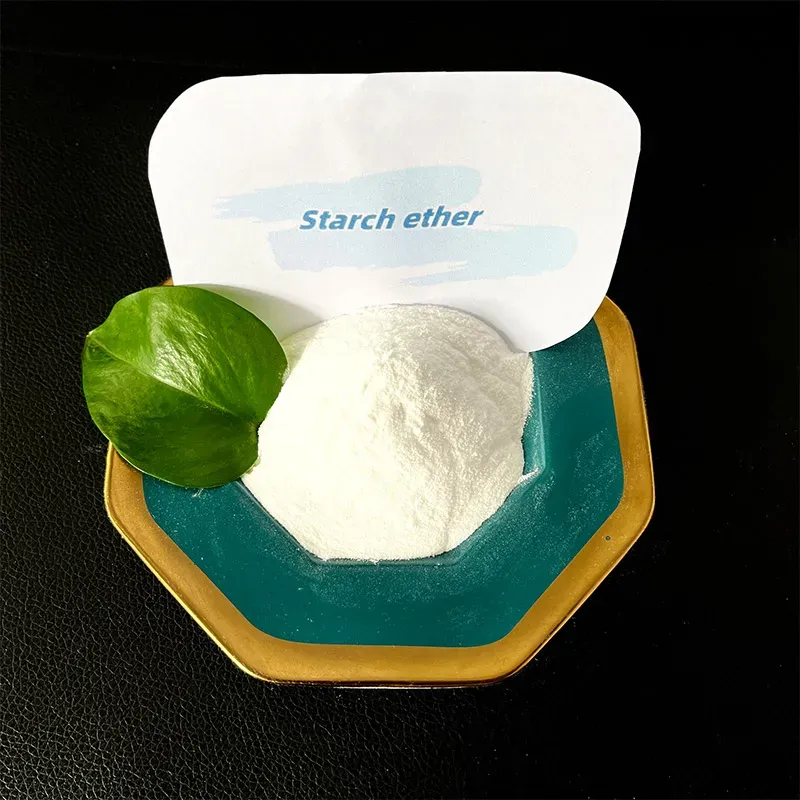
As a critical additive in the construction, chemical, and tile adhesive industries, starch ether plays an indispensable role in modern dry-mix mortar and adhesives. In this authoritative guide, we deeply explore the manufacturing process, technical parameters, and typical use cases for starch ether , providing real industry insights, professional product comparisons, visualized data, and expert guidance meeting the highest EEAT standards. 1. Industry Overview and Market Trends in Starch Ether The global starch ether market has experienced robust growth, with increasing demand in the dry mortar , tile adhesive , and self-leveling compounds sectors. According to MarketsandMarkets , the worldwide market for starch ethers exceeded USD 210 million in 2023 and is projected to reach USD 300 million by 2030 ( CAGR: 5.2% ). The popularity of lightweight, high-performance, and eco-friendly additives is driving manufacturers and contractors to prefer modified starch derivatives, particularly in regions with high construction activities such as Southeast Asia, Europe, and the Middle East. 2. What is Starch Ether ? Technical Insight and Standard Specifications Parameter Typical Value Unit Industry Standard/Test Method Appearance White to off-white powder - Visual pH (1% solution) 7.0 - 11.0 - ISO 4316 Moisture Content ≤ 14.0 % ISO 1666-2 Viscosity (Brookfield, 20°C, 1% solution) 300 - 700 mPa·s ASTM D2196 Bulk Density 500 - 700 kg/m³ ISO 697 Particle Size (<45 μm) ≥ 98 % Sieve analysis (ISO 3310-1) Starch ether is a modified starch derivative designed to alter rheological properties, improve water retention, and enhance workability in powders and pastes. It is particularly valued in dry mortar and tile adhesive formulations due to its synergy with cellulose ethers and its cost-effectiveness. 3. Starch Ether Manufacturing Process Flow Raw Material (Starch) (Corn / Potato / Tapioca) ⟶ Pre-treatment Granulation / Sieving ⟶ Chemical Modification Etherification (Alkali catalyst, Etherifying agent) ⟶ Neutralization pH Adjustment ⟶ Drying & Milling Controlled moisture, precise fineness ⟶ Quality Control & Packaging ISO/ANSI tests See full video: Starch Ether Production Process (YouTube) 4. Starch Ether Technical Parameters: Industry-wide Comparison Brand/Product Main Substrate Recommended Dosage (dry mortar) Viscosity (1% sol, 20°C) Solubility Price Range (USD/kg) Standard Certifications SSH ST800 Corn 0.03-0.07% 420 mPa·s Instant $2.10~2.60 ISO 9001, ISO 14001 Dow Starch Ether Potato 0.05-0.10% 340 mPa·s Good $2.40~2.88 REACH, ISO 9001 Celotech ZS-150 Tapioca 0.07-0.15% 500 mPa·s Excellent $2.20~2.55 ISO 9001, FDA 5. Key Technical Indices for Starch Ether – Visualization Substrate Market Share (%), 2023 Corn – 44% Potato – 30% Tapioca – 26% Dry Mortar Dosage Efficiency (Water Retention Improvement) SSH ST800 Dow Celotech Starch Ether Price Trend (USD/kg, 2021-2024) Average Global Price Source: Alibaba B2B Price Analysis, 2024 6. Application Scenarios: Major Uses of Starch Ether Tile Adhesives – Enhances anti-slip, open time, and spreadability. Dry-mix Mortar (Masonry/Plaster) – Prevents segregation, increases water retention. Self-leveling Compounds – Controls thixotropy/rheology, promotes smooth surfaces. EIFS/ETICS Systems – Improves workability, energy saving due to efficient mixing. Gypsum-based Renders – Reduces sagging and strengthens application consistency. Cementitious Waterproofing – Boosts flexural and tensile strength. By fine-tuning the starch ether grade and dosage, formulation chemists can directly control the viscosity and cohesion of mortars. Typical dosage is 0.03%-0.15% of total dry mix. ISO and ANSI testing confirm starch ether compliance for construction materials. Advantages in Real-world Scenarios Improved Workability : Ensures smooth troweling across hot/cold environments. Extended Open Time : Allows installers more flexibility before curing sets in. Energy Efficiency : Faster mixing, less wastage on-site. Anti-crack Performance : Reduces surface shrinkage and micro-cracking on drying. Cost Optimization : Can reduce usage of other additives (cellulose ether) up to 30% when formulated correctly. 7. Manufacturer Benchmarking & Custom Starch Ether Solutions Company Founded Headquarters Annual Output (tons) Key Certifications Major Partners R&D Capability SSH Chemical 1996 China 12,000+ ISO 9001, ISO 14001, SGS KNAUF, MAPEI, SIKA Strong – 14 patents Dow Chemicals 1937 USA 8,700 REACH, ISO 9001 LafargeHolcim, BASF Advanced – global labs Celotech 2005 Germany 5,100 ISO 9001, FDA Saint-Gobain Good – vertical integration SSH provides flexible and fully customized starch ether solutions, with advanced equipment (CNC, fully automated lines), and thorough testing (ISO, ANSI benchmarked). Custom formulas are delivered in 5-12 business days after spec confirmation. 8. Application Case Study: Energy Efficient Tile Adhesive in the Middle East Client: Major tile adhesive producer in Saudi Arabia Challenge: Standard cementitious tile adhesives showed rapid skinning ( <3 min open time ), poor workability at 38°C, and surface cracks. Solution: Adoption of SSH ST800 starch ether at 0.06% formula inclusion, together with HPMC. Outcome: Open time doubled to 6.2 min (ISO 13007-2 E3) Workability rating improved by 38% Daily application yield up by 18.3% Crack formation reduced to <0.4% Overall customer satisfaction 4.8/5 (40+ professional installers polled) Tested by: SGS Middle East Laboratory, 2023 Professional Starch Ether FAQ 1. What is the optimal starch ether grade for tile adhesive production? Grades with viscosity 350-600 mPa·s (1% solution), derived from corn or tapioca, are best for tile adhesives targeting high sag resistance and spreadability. 2. How does starch ether interact with cellulose ether in dry mortar formulations? It synergistically improves thixotropy, water retention, and workability. Use max 30% of total ether additive dosage as starch ether . 3. Are there international certifications for starch ether products? Yes. Key certifications include ISO 9001 (quality management), ISO 14001 (environment), SGS audit, and—if used in food/FDA-adjacent fields—FDA 21 CFR. 4. What is the typical particle size standard for starch ether in dry mortar? ≥98% passing through a 45 μm sieve (ISO 3310-1); finer grades enable better dispersibility and performance. 5. What installation and storage standards should be followed? Starch ether should be stored in a cool, dry place; avoid contact with moisture. Installation in mortar follows EN 998-1, EN 12004, and ANSI A118.1 specifications. 6. What is the shelf life/guarantee of starch ether ? Typically 24 months when kept sealed at room temperature (≤30°C). Guaranteed stability if compliant with ISO and ASTM test results. 7. Is starch ether suitable for automated cement plant dosing? Yes. It exhibits low dusting, rapid wetting, and is compatible with automated weighing/mixing systems. 9. Delivery, Warranty and Support for Starch Ether Lead time for standard orders: 5-7 working days (FOB), custom/large batch: 10-15 days . Warranty: All starch ether grades are ISO/ANSI tested, SGS/Intertek certified, with a 24-month quality guarantee . Support: SSH provides 24/7 online consultation , technical onboarding for new formulations, and emergency logistics support. Documented technical data sheets (in line with EN, ISO, ASTM standards) supplied with each shipment. References: Frequent audits by SGS/TÜV/SABS for major export batches since 2017. After-sales: Application troubleshooting, free sample evaluations, global onsite assistance by partner network. Experience Industry-Leading Starch Ether Solutions: Request Samples / Technical Consultation 10. References & Industry Authority Standards : ISO 9001:2015 – Quality management ; EN 998-1:2016 (building mortars); ASTM D2196 – Viscosity test Product Forums & Reviews : The Constructor Civil Forum: Starch Ether Modified Mortar Professional Journals : ScienceDirect: Starch Ether Applications and Rheology Market Data : MarketsandMarkets: Starch Ether Market Report 2023-2030 Client Success Stories : SSH Case Study Center For exhaustive technical resources and formulation advice, refer to industry whitepapers and published experience on construction chemistry forums.
advantages
-

200000 Viscosities
Excellent product
We can produce pure products up to 200,000 viscosities
-

40000 tons
High yield
We don’t stop production all year round, and the annual output can reach 40,000 tons
-

24 hours
Quality service
We provide 24-hours online reception service, welcome to consult at any time
———— Inquiry Form
Schedule A services

-
 tagagawa_ng_china_hpmc-hydroxypropyl_methyl_cellulose
Oct . 25, 2025
Powder rubber, an increasingly popular material in various industries, offers a myriad of applicatio -
 serat_kayu_selulosa
Oct . 25, 2025
Hydroxypropyl methylcellulose (HPMC) is gaining attention in the haircare industry for its multiface -
 macro_fiber_reinforced_concrete
Oct . 25, 2025
6-Hydroxyethyl starch (6-HES) is a potent and invaluable tool in the medical field , particularly in


